


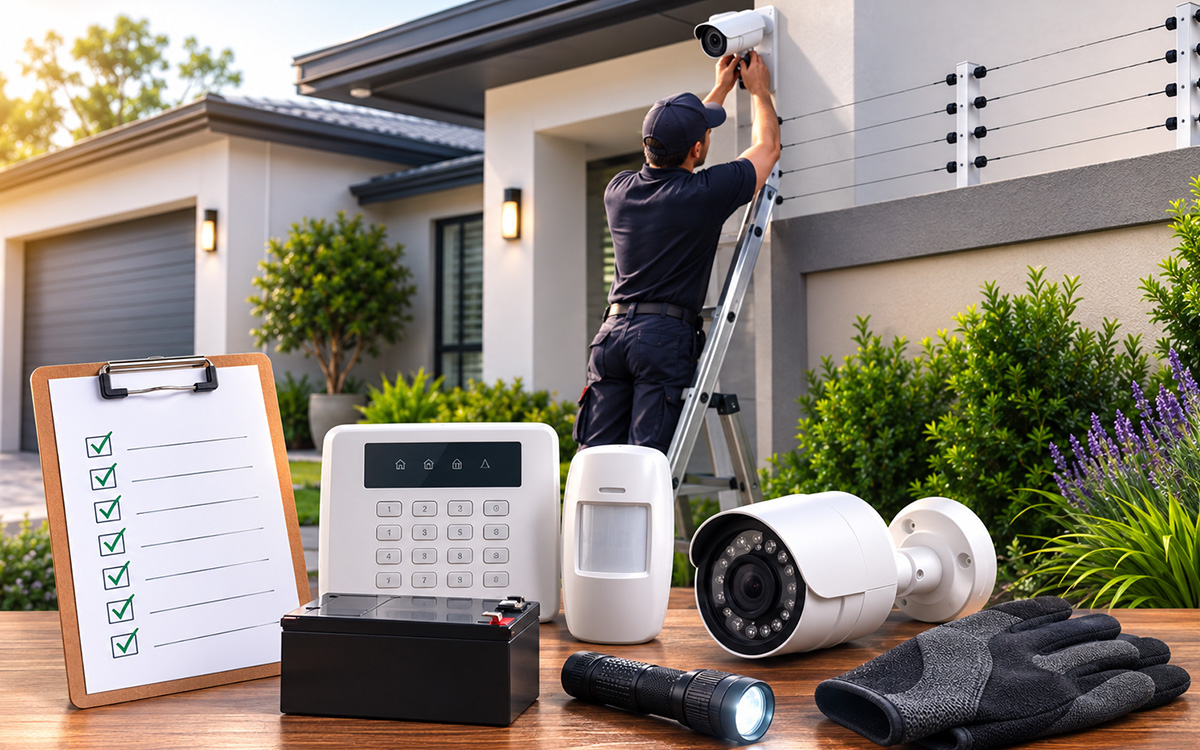
SeeMore. KnowMore. ProtectWhat Matters.
For a home, it could mean checking what's happening outside while you're at work. For a business, it could mean knowing who entered the premises, what happened at the till, or whether your equipment and property are safe after hours.
That is where a properly designed CCTV and surveillance system can make a real difference.
But with so many cameras, resolutions, technologies and brands available, choosing a security solution can quickly become confusing.
So, what actually matters when choosing a CCTV system?
Start With the RightView
A camera covering a small entrance does not necessarily need the same specifications as one monitoring a large parking area. A shop may need detailed views of customers and tills, while a home may be more concerned with entrances, gates, driveways and the perimeter.
The right system starts with the application, not simply the camera's megapixel number.
IP or HD-TVI — What's the Difference?
Two common approaches in modern CCTV are IP surveillance and analogue HD systems.
IP cameras transmit video over a network. They can provide high-resolution images, PoE connectivity, flexible installation and integration with other network equipment.
HD-TVI systems use coaxial cabling to transmit high-definition video from cameras to a DVR. They can be particularly useful when upgrading an existing analogue CCTV installation while retaining existing cabling.
Neither approach is automatically right for every installation.
The important question is:
What does your property need, and what infrastructure is already available?
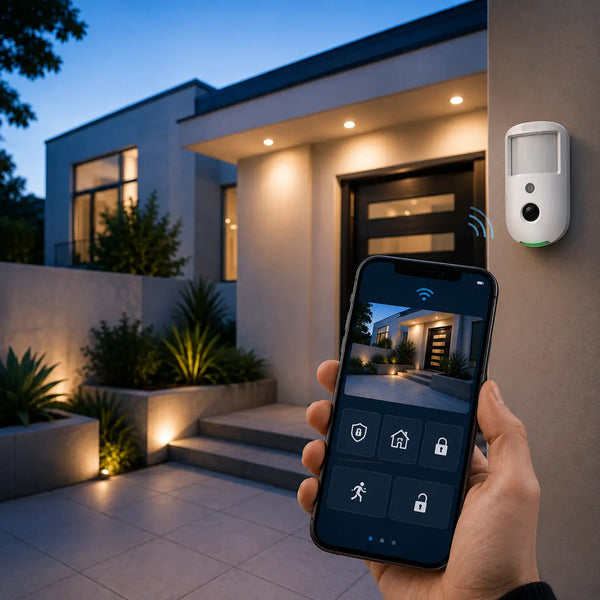
Network-based surveillance with flexible installation, high-resolution cameras and options such as PoE.
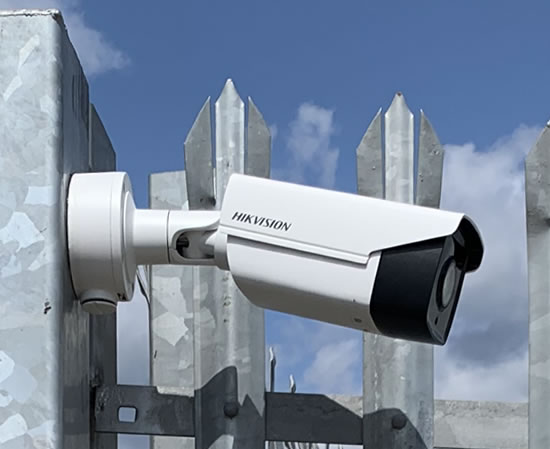
High-definition surveillance over coaxial cabling, ideal for many upgrades and traditional CCTV installations.
Check your cameras remotely using a compatible smartphone, tablet or computer.
Does More MegapixelsMeanBetterSecurity?
You will commonly come across 2MP, 4MP, 5MP, 8MP and 4K cameras. Higher resolution can provide more detail, but resolution is only one part of the picture.
Lens selection, lighting, camera positioning, image processing, night vision and the area being monitored all affect the final result.
A well-positioned 4MP camera can sometimes provide a more useful image than a poorly positioned higher-resolution camera.
Think about what you need to identify:
A person? A vehicle? A licence plate? An entrance? A wide area?
That answer helps determine the appropriate camera.
Day or Night — Your Cameras Shouldn't Take the Night Off
Security doesn't stop when the sun goes down.
Modern cameras can include technologies such as infrared night vision, colour night vision, smart illumination and wide dynamic range (WDR) to improve visibility in challenging conditions.
For entrances, gates and parking areas, lighting should also be considered as part of the overall security design.
A camera and a light working together can often provide a much more useful security image than either one alone.
What Can CCTV Actually Do for Your Home?
For homeowners, CCTV can provide visibility around areas that are difficult to monitor from inside the house.
Depending on the installation, cameras can cover:
- Main entrances and doors
- Driveways and gates
- Garages
- Perimeter areas
- Yards and outdoor spaces
- Domestic staff entrances
- Vulnerable access points
You could be at work, travelling or simply in another room — and still have access to your security system.
And What About Businesses?
Business security can involve much more than watching the front door.
A properly designed system can help monitor:
The Brands Matter —ButSoDoestheDesign
However, buying a recognised brand does not automatically guarantee a good installation.
A good system still depends on:
Camera selection + positioning + cabling + storage + network configuration + power + lighting + installation
The equipment and the installation have to work together.
One Camera or a Complete Security Solution?
Sometimes a customer only needs a camera added to an existing system.
Other times, the property needs a complete solution.
That could include:
CCTV + Access Control + Alarm Systems + Intercoms + Gate Automation + Networking + Remote Monitoring
The advantage of looking at security as a complete system is that the different technologies can work together instead of operating as isolated pieces of equipment.
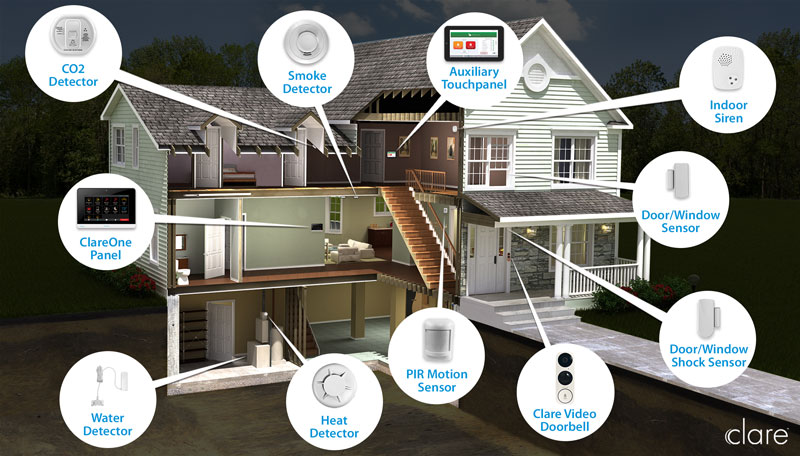
What happens when your security system becomes part of your network?
Your cameras can connect with networking infrastructure, remote viewing, access control and other security technologies — creating a more connected approach to protecting your home or business.
Your Security Doesn't Have to Stay on the Property
One of the biggest changes in modern surveillance is the ability to view your cameras remotely.
With the appropriate recorder, network connection and mobile application, authorised users can view live footage, review recordings and receive selected alerts remotely.
Who Can Benefit?
Check what's happening around your property while you're away.
Keep an eye on your premises even after business hours.
Monitor multiple areas or locations from a connected device.
So, What Security Solution Does Your Property Need?
There isn't one CCTV system that is perfect for every property. A home, retail shop, office, guesthouse, warehouse or agricultural property can all have completely different security requirements.
Before choosing equipment, consider:
More Cameras Isn't Always the Answer.
The goal isn't simply to install more cameras. The goal is to create a security system that gives you the right visibility in the right places.
What Would You Want to See?
Maybe you already have CCTV but the image quality isn't what you expected. Maybe your cameras don't cover the areas that matter. Maybe you want to view your property remotely. Or perhaps you're starting from scratch.
That's often the best place to start.
Eye Intuition Telecoms provides security, surveillance, networking and technology solutions for homes and businesses — from individual camera installations to integrated security systems.
